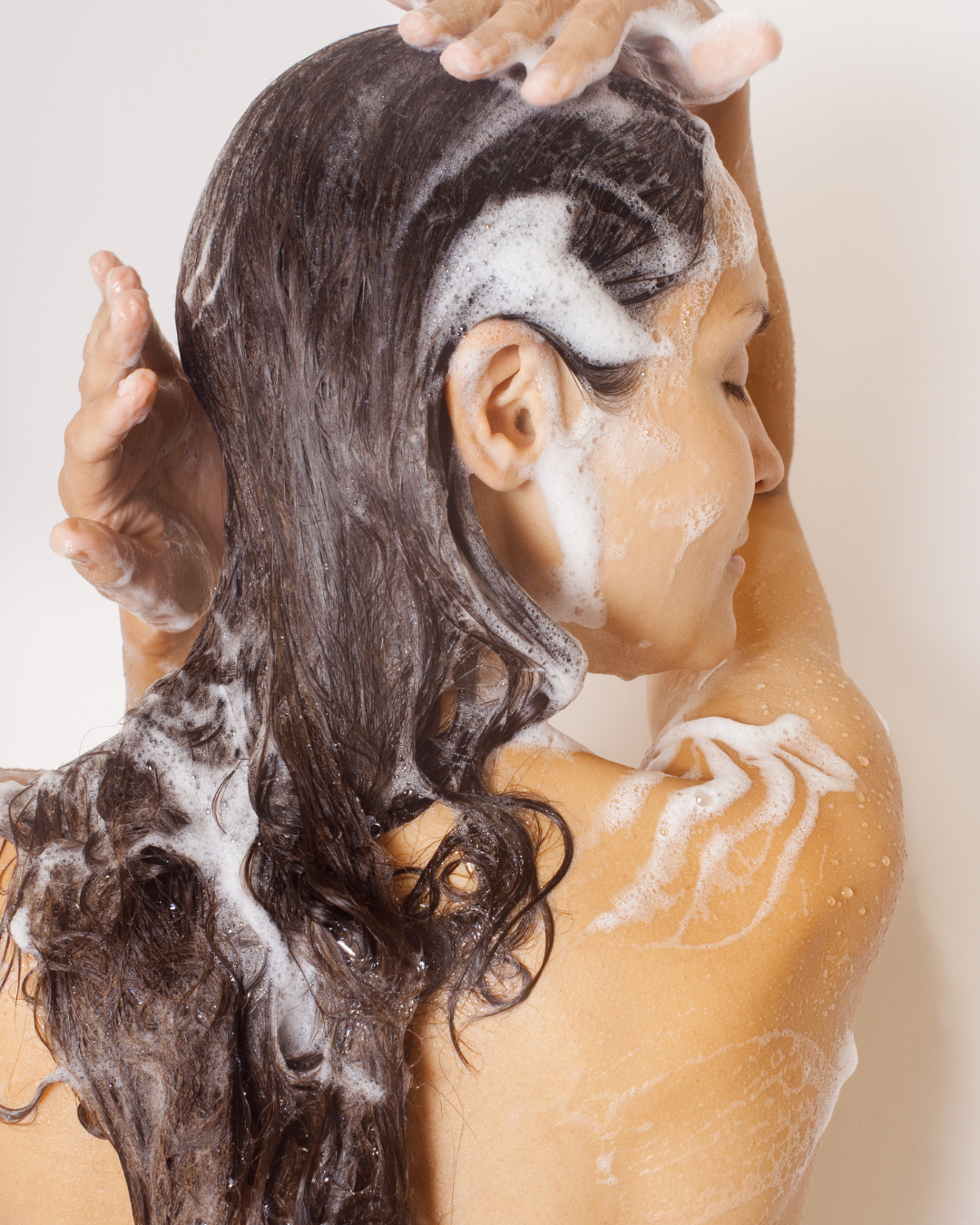
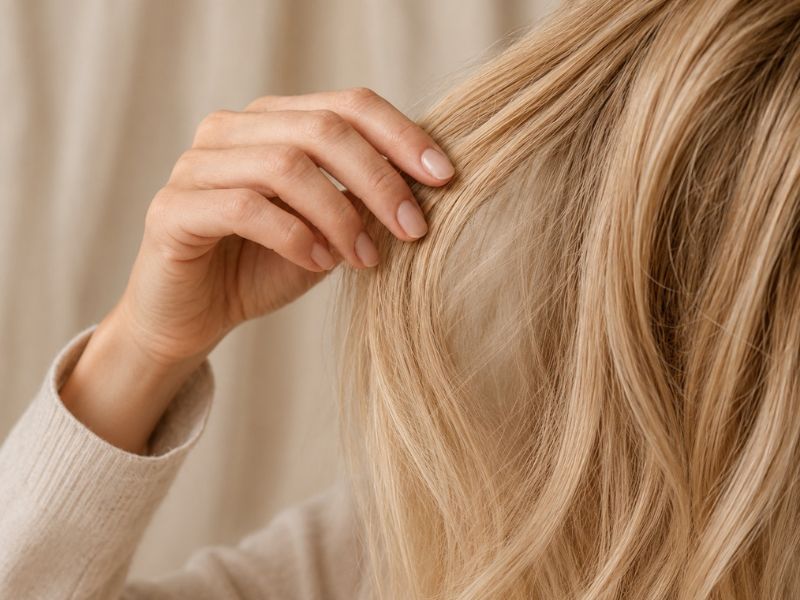
Fine hair describes the diameter of an individual strand. It does not, by itself, tell you how dense your hair is or how oily your scalp will be. When choosing care, consider the scalp and the lengths separately.
Start with the amount you use
If your hair feels flat after conditioning, review the product's instructions, the amount you apply and where you apply it. Begin with the recommended amount and rinse as directed. Adding more product does not necessarily make your routine more useful.
Pay attention to the lengths and ends. They may need conditioning even when your roots become oily quickly. A shampoo and conditioner do not have to belong to the same collection.
Choose by how your hair feels
Notice whether the lengths feel rough, tangled or weighed down after washing. Change one step at a time so you can tell what makes a difference. The texture of a formula, its amount and your rinsing routine can all affect the result.
You can compare the current descriptions and instructions for Scalp Balance Conditioner and Repair Care Conditioner. Their product pages are the place to check intended use and ingredients.
Keep scalp care separate
Do not assume that a conditioner intended for the lengths can also be used on the scalp or as a treatment before washing. Follow the instructions for the specific product.
Common questions
Why does my hair become oily quickly?
Fine strands alone do not explain this. Notice how your scalp feels and whether your current products leave residue. Persistent itching, redness or a sudden change in shedding is a reason to seek advice from a dermatologist.
Should I stop using conditioner?
First review the amount, placement and product instructions. You may find that your lengths need care while your roots need a different approach.